

Root Cause Analysis
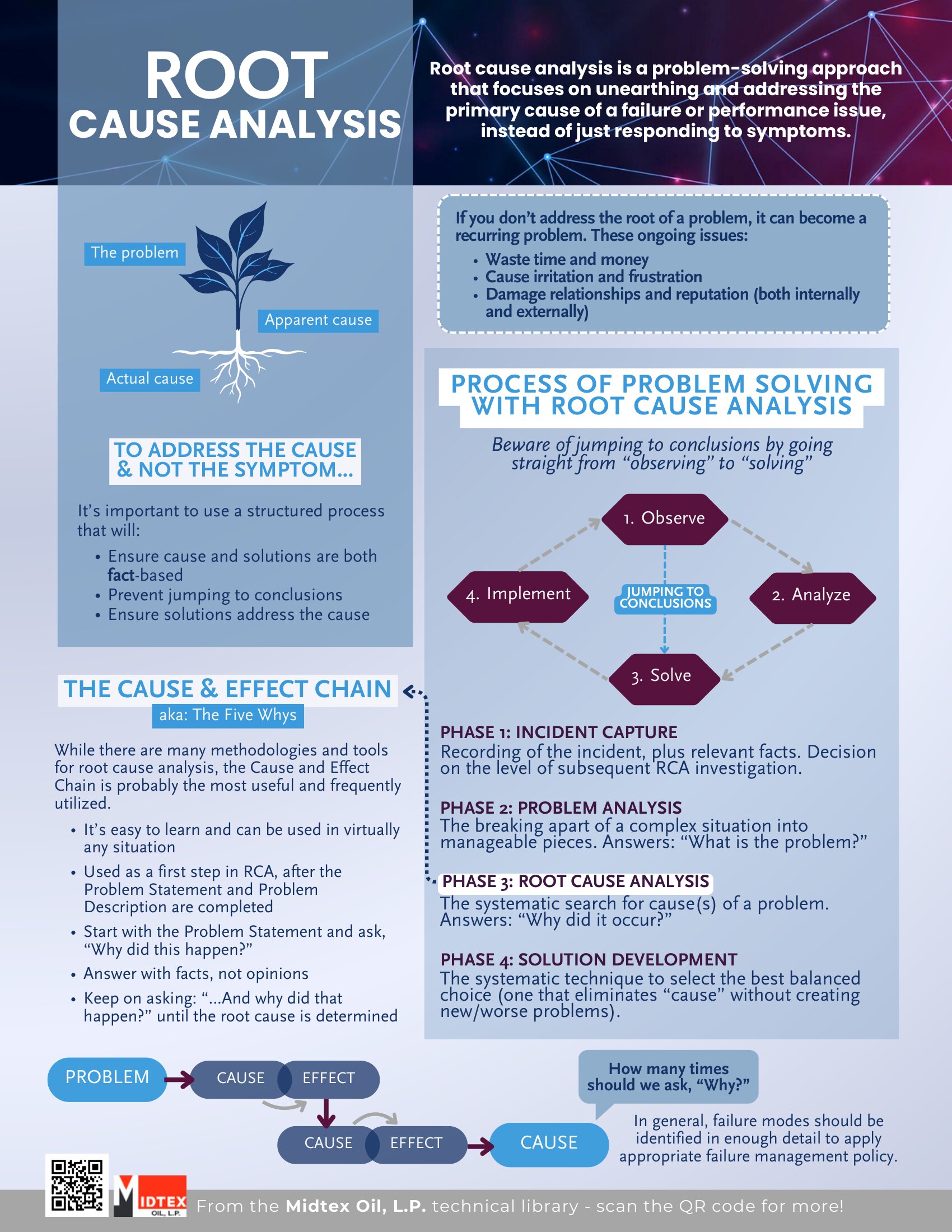
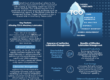
Root cause analysis is a problem-solving approach that focuses on identifying and addressing the primary cause of a failure or performance issue, rather than simply responding to the symptoms.
If the root of a problem is not addressed, it can become a recurring issue. These ongoing problems can:
- Waste time and money
- Cause irritation and frustration
- Damage relationships and reputation, both internally and externally
To address the cause instead of the symptom, it is important to use a structured process. This helps ensure that both causes and solutions are fact-based, prevents teams from jumping to conclusions, and supports solutions that directly address the true cause of the problem.
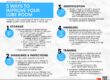
The Process of Problem Solving with Root Cause Analysis
- ObservePhase 1: Incident Capture — Record the incident along with the relevant facts. This is also where a decision is made regarding the level of RCA investigation needed.
- AnalyzePhase 2: Problem Analysis — Break apart a complex situation into manageable pieces. This phase answers the question: “What is the problem?”
- SolvePhase 3: Root Cause Analysis — Systematically search for the cause or causes of the problem. This phase answers the question: “Why did it occur?”
- ImplementPhase 4: Solution Development — Use a systematic technique to select the best balanced solution, one that eliminates the cause without creating new or worse problems.
Beware of jumping to conclusions by going straight from observing to solving.
The Cause-and-Effect Chain: A Closer Look at Phase 3, Solve
Also Known As: The Five Whys
While there are many methodologies and tools for root cause analysis, the Cause-and-Effect Chain is one of the most useful and frequently used.
- It is easy to learn and can be used in virtually any situation.
- It is used as a first step in RCA after the Problem Statement and Problem Description are completed.
- Start with the Problem Statement and ask, “Why did this happen?”
- Answer with facts, not opinions.
- Continue asking, “And why did that happen?” until the root cause is determined.
- How many times should you ask “Why?” In general, failure modes should be identified in enough detail to apply the appropriate failure management policy.