

Total Cost of Ownership
…And How Lubricant Selection Has an Impact

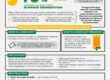
Effective lubrication management can significantly reduce the Total Cost of Ownership (TCO) of machinery: Are you satisfied with the broader impact of your current lubricant selection?
Total Cost of Ownership (TCO) refers to the comprehensive assessment of costs associated with owning and operating machinery over its entire lifecycle: This reaches beyond initial purchase price and into ongoing expenses such as maintenance, repairs, and downtime costs due to equipment failures. Proper lubrication plays a crucial role in minimizing these costs!
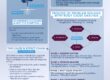
Think of your chosen lubricants as the tip of an iceberg, with TCO encompassing the remainder of the iceberg that sits unseen beneath the water level: Leaks, handling and dispensing, oil analysis, disposal, product inventory, administration and management, and training are all part of the “unseen” total cost of ownership.
Key Factors Affecting TCO in Machinery Lubrication
Maintenance Costs
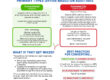
Proper lubrication can reduce maintenance costs by up to 30% through improved equipment reliability and extended maintenance intervals, both of which minimize unplanned downtime and repair expenses.
Lubricant Selection
It is essential to use the right lubricants for specific machinery requirements. High-quality lubricants can enhance equipment performance and longevity (leading to lower overall costs), while inadequate lubrication can lead to equipment failures, costly repairs, and lost productivity.
Lubrication Management
Implementing effective lubrication management practices, such as regular monitoring and maintenance of lubrication systems, can prevent leaks and ensure optimal lubrication application. This proactive approach can significantly reduce TCO by avoiding costly downtime and repairs.
Training and Competence
Ensuring that personnel are trained in proper lubrication techniques and management can further enhance the effectiveness of lubrication practices, leading to better equipment performance and reduced costs.
Benefits of Effective Lubrication Management (and Concerns of Ineffective Lubrication Management)
Benefit: Increased Productivity
By minimizing failures and downtime, effective lubrication management can lead to higher productivity levels in manufacturing and other operations. A concern of ineffective lubrication management: Unscheduled maintenance, resulting in unplanned unavailability of equipment.
Benefit: Cost Savings
Companies that optimize their lubrication practices can achieve significant cost savings, often equal to (or exceeding!) their total lubricant spending. A concern of ineffective lubrication management: Production losses.
Benefit: Enhance Equipment Lifespan
Proper lubrication helps protect machinery from wear and tear, extending its operational life and reducing the need for costly replacements. A concern of ineffective lubrication management: Lowered equipment/component life.
Effective Lubrication Management is Essential
Focusing on effective lubrication management is essential for reducing the total cost of ownership of machinery. Right lubrications, robust management practices, and proper training can achieve significant savings and improve overall equipment performance.