

What is DEF?
What are we talking about?
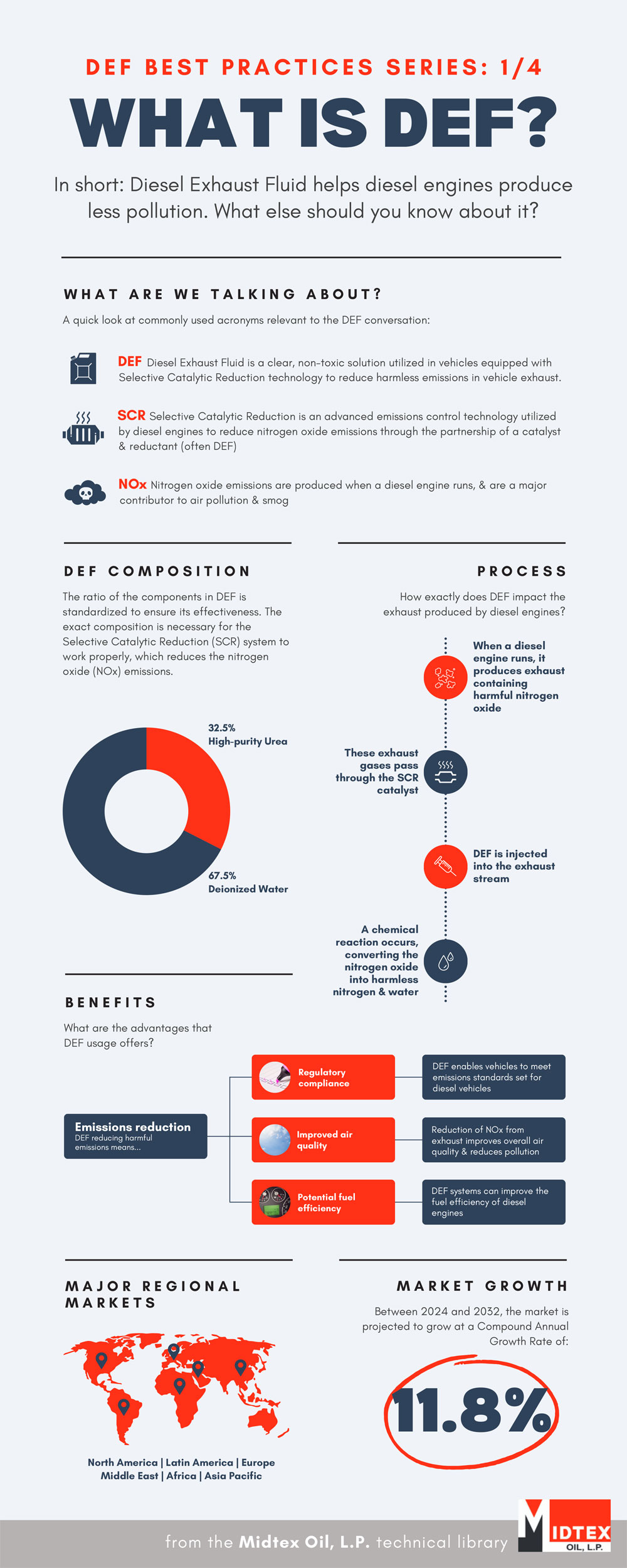
In short: Diesel Exhaust Fluid (DEF) helps diesel engines produce less pollution. Let’s take a closer look, starting by defining some commonly used acronyms relevant to the DEF conversation:
- DEF: Diesel Exhaust Fluid is a clear, non-toxic solution utilized in vehicles equipped with Selective Catalytic Reduction technology to reduce harmless emissions in vehicle exhaust.
- SCR: Selective Catalytic Reduction is an advanced emissions control technology utilized by diesel engines to reduce nitrogen oxide emissions through the partnership of a catalyst and reductant (often DEF).
- NOx: Nitrogen oxide emissions are produced when a diesel engine runs, and are a major contributor to air pollution & smog.
DEF Composition
The ratio of the components in DEF is standardized to ensure its effectiveness: 67.5% deionized water, + 32.5% high-purity urea. The exact composition is necessary for the Selective Catalytic Reduction (SCR) system to work properly, which reduces the nitrogen oxide (NOx) emissions.
Process
How exactly does DEF impact the exhaust produced by diesel engines?
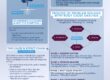
- When a diesel engine runs, it produces exhaust containing harmful nitrogen oxide.
- These exhaust gases pass through the SCR catalyst.
- DEF is injected into the exhaust stream.
- A chemical reaction occurs, converting the nitrogen oxide into harmless nitrogen and water.
Benefits
What are the advantages that DEF usage offers?
In addition to reducing the production of NOx (therefore reducing air pollution and increasing overall air quality) and enabling vehicles to meet the emissions standards that have been set for diesel vehicles, DEF systems can improve the fuel efficiency of diesel engines!
Market Growth
The market for DEF is projected to grow at a Compound Annual Growth Rate of 11.8% between 2024 and 2032, with major regional markets spanning across North America, Latin America, Europe, the Middle East, Africa, and Asia Pacific.